
I have been in this business long enough to watch the same projector fail twice: once in the booth, and once in the email chain that follows.
The image drops. Somebody opens a ticket. Manufacturer points at the dealer. Dealer points at the integrator. Integrator points at a PO that never named a service path. Guests ask if free popcorn still counts as a refund.
This is not about one bad vendor. It is about how exhibition buys equipment, and who gets paid when the warranty work shows up.
Section 01 Buying the box is easy. Buying the path is not.
On paper it looks clean. Spec it. Get three quotes. Pick the CapEx number. Hang it. Cut the ribbon. High-five in the parking lot. In the field that same box can go factory to national dealer to “we can get it cheaper” to an installer who never stocked a spare board. Every hop looks smart on price — and puts the warranty farther from the guy answering the phone at 7:40 on a Saturday.
I keep seeing the coast-to-coast version. Dealer in one part of the country wins the bid for a site in another. Freight is cheap. Margin looks fine. Nobody asks: do you actually have trained techs within driving distance of this building? Sometimes you get a PowerPoint about “national coverage,” or “our partner network,” or nothing — because the CapEx meeting already closed.
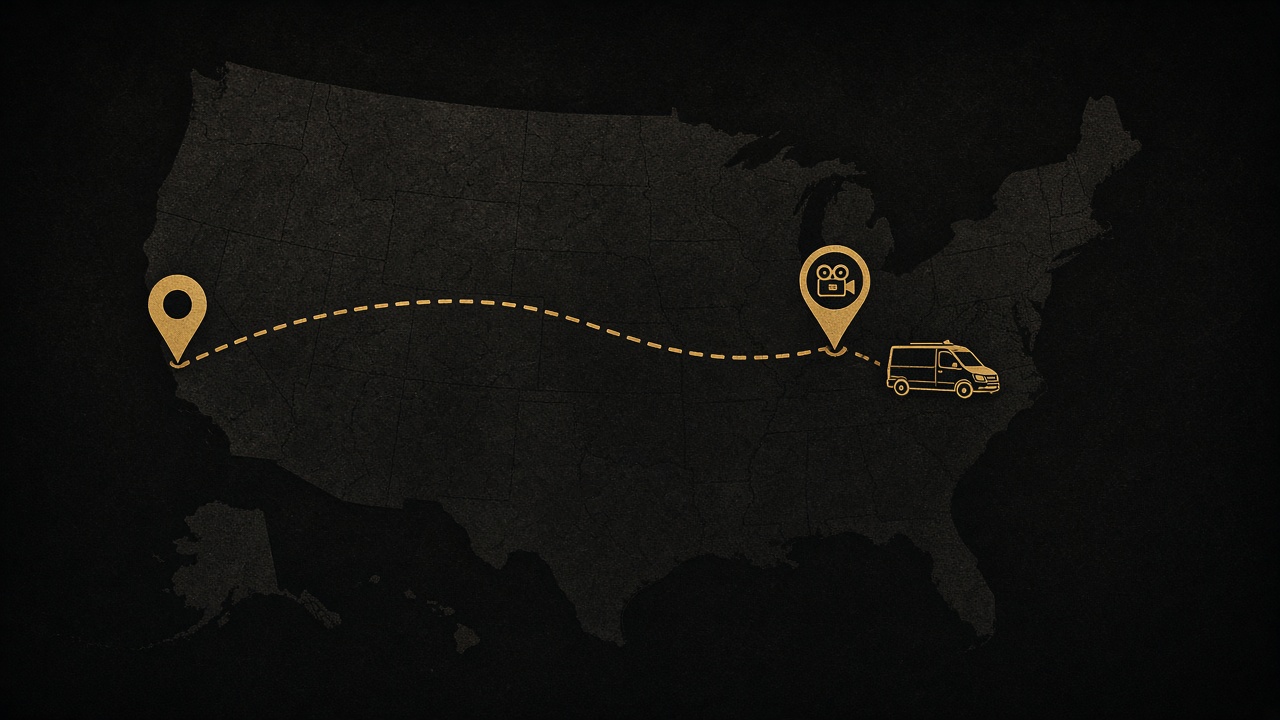
Year two hits. The seller is three time zones away. Their closest tech is a calendar invite, not a van. The local shop gets the call — the one that already knows the booth and which door sticks in January. They did not sell the box or get the margin. Might not even be on the factory’s authorized list — meter in hand, cold coffee.
If the seller cannot put a trained tech on that site, that is not a service plan. That is a hope. Settle it before the sale.
Section 02 Warranty work still has to get paid
The CapEx sheet almost never settles what comes next. Who called the dispatch? Whose claim is it — seller, brand, or integrator? Who pays the local shop, at what rate? What if the claim dies because the serial does not match the channel?
Contracted installs make this worse. A third party hangs the gear. Six months later a board fails — not from the hang, because the part failed. If that third party is supposed to do the warranty work, how do they get paid for a non-install failure? Manufacturer warranty? Put it in writing for dealer and installer: claim path, parts, labor, travel, who can open the chassis.
A good service company will still go. They work for the exhibitor. Screen is dark. They pull the board and get the show back. They also have to stay in business. When that warranty labor is not reimbursed — because real warranty was never part of the equipment PO — those hours still land somewhere, often against the service contract. The shop eats the call or books it against the agreement, and PM gets cut: fewer visits, thinner schedules, “we’ll catch it next quarter.” Friday night gets saved. The PM that might have caught the next failure disappears — not because the shop is cheap, but because CapEx never paid for the warranty path and the service contract hid the unpaid work.
Nobody is usually lying. Each one owns their piece. The exhibitor holds the whole mess. The Midwest tech holds the wrench. That is not a tech problem. That is a buying problem that became a payroll problem, then a maintenance problem.
Section 03 How to buy with a warranty path
Do not sign the PO until service ownership — and how the local shop gets paid — is as clear as the model number.
- Put the warrantor and authorized service path on the same document as the equipment.
- Write down who pays the local tech for warranty labor and travel, at what rate, and on what claim process — or the hours come out of your PM.
- Confirm real coverage near the site — a person with a truck and training, not a pin on a map.
- On a contracted install, document before the hang who owns warranty work after commissioning; if the third-party installer owns it, how they get paid for a non-install failure; if manufacturer warranty, dealer and installer procedures.
- Prefer a channel that can still get you a trained tech and a board after ribbon cutting. Score that channel like brightness and uptime. Lowest landed cost with no service path is not a bargain.
- If someone says “somebody else will handle service,” make sure that somebody is named, funded, reachable, and already agrees how they get paid.
Section 04 What dealers can do
If you want the next bid, help before you need a committee. Do not sell into a territory you cannot staff — partner first, or walk. Put the local path in the quote: name, contact, warranty labor rate, claim process. Write third-party installs into the deal before the hang: who owns warranty work, how non-install failures get paid, and dealer/installer procedures if manufacturer warranty. Register the install. Fund the truck roll so nobody is chasing three inboxes or discovering the fix came out of PM hours. Skip hang-only jobs with no written service story. A dark screen with your name on the as-built is still your reputation.
Manufacturers need cleaner authorized paths. Integrators need to say no to hang-only jobs. Exhibitors need one answer in writing before they sign:
When this fails, who does the work, and who pays the company that shows up — without spending down the PM contract?
Buy the box. Buy the path that keeps it alive. Buy how the local shop gets paid. If those are not the same decision, you did not finish the purchase — your service contract will finish it for you.