In today's theatrical marketplace, cinema owners stand at a crossroads—caught between the glittering skyline of Hollywood blockbusters and the winding streets of independent distribution. It is a tale of two cities, and the future of film buying demands a new kind of navigation: one that blends intuition, data, and a renewed sense of purpose.
City One: The Hollywood Machine
Hollywood still looms large. Tentpole releases dominate marketing cycles, drive peak attendance, and anchor the public's perception of what going to the movies means. But the pipeline is narrowing. Fewer films are being released by Hollywood, and the ones that do make it to theatres often feel engineered more for global merchandising than local resonance.
Theatres are left waiting—hoping—for the next franchise installment to arrive and carry the month. But hope is not a strategy. The blockbuster model, once a reliable engine, now sputters with unpredictability. And when it fails, it fails loudly.
City Two: The Indie Underground
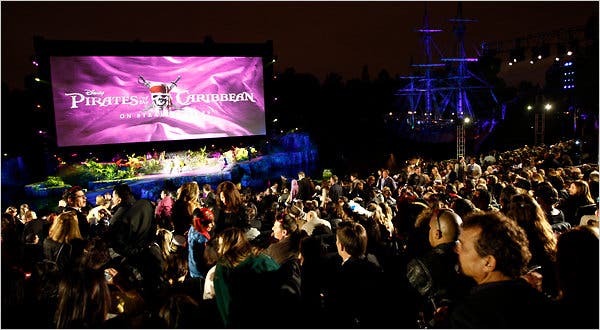
On the other side of the divide, independent distributors are quietly reshaping the landscape. These films—often made with modest budgets and outsized heart—offer stories that reflect real communities, real struggles, and real artistry. But they do not come with the marketing muscle of a studio. They require discovery, advocacy, and belief.
For theatre owners, this means becoming tastemakers again. It means watching screeners, reading festival buzz, and listening to local audiences. It is harder work—but it is also more rewarding. These films can surprise, delight, and even define a theatre's identity.
The Economics of Regional Booking: Precision Pays
During my years at Marcus Theatres, I saw firsthand how regional booking could make or break a film's performance. A title that underperformed in one market could thrive in another—if given the chance. Blanket booking, while operationally simple, often ignored the nuances of local taste.
When theatres tailor their slate to local demographics, cultural interests, and seasonal rhythms, they optimize revenue. AI can help here, too. Predictive models can analyze historical data, social sentiment, and even weather patterns to forecast performance. But the final call still requires human insight—someone who knows the community, the rhythm of the town, and the pulse of the audience.
The Rise of AI: Curating with Intelligence
Artificial intelligence enters not as a replacement for human judgment, but as a partner in curation. AI can analyze box office trends, regional demographics, social media chatter, and even local calendar events to help predict what will resonate in each market.
Imagine a system that does not just tell you what is available, but what's worth booking—based on your theatre's unique audience profile. It can surface hidden gems, flag emerging trends, and even suggest alternative programming when the film slate runs thin.
Used wisely, AI can restore agency to theatre owners. It can help them program with precision, not just fill screens with whatever is next.
Regional Booking: Precision Over Uniformity
The old model of blanket booking—one film across all screens—is increasingly out of step with reality. Audiences are not monolithic. A film that thrives in a college town may flop in a retirement community. A foreign-language drama might pack a downtown arthouse but empty a suburban multiplex.
Booking must become surgical. Each location has its own cultural ecosystem. Programming should reflect that. This is not simply good business, it is good stewardship. It honors the diversity of audiences and the dignity of the theatrical experience.
Designing Theatres for a New Era
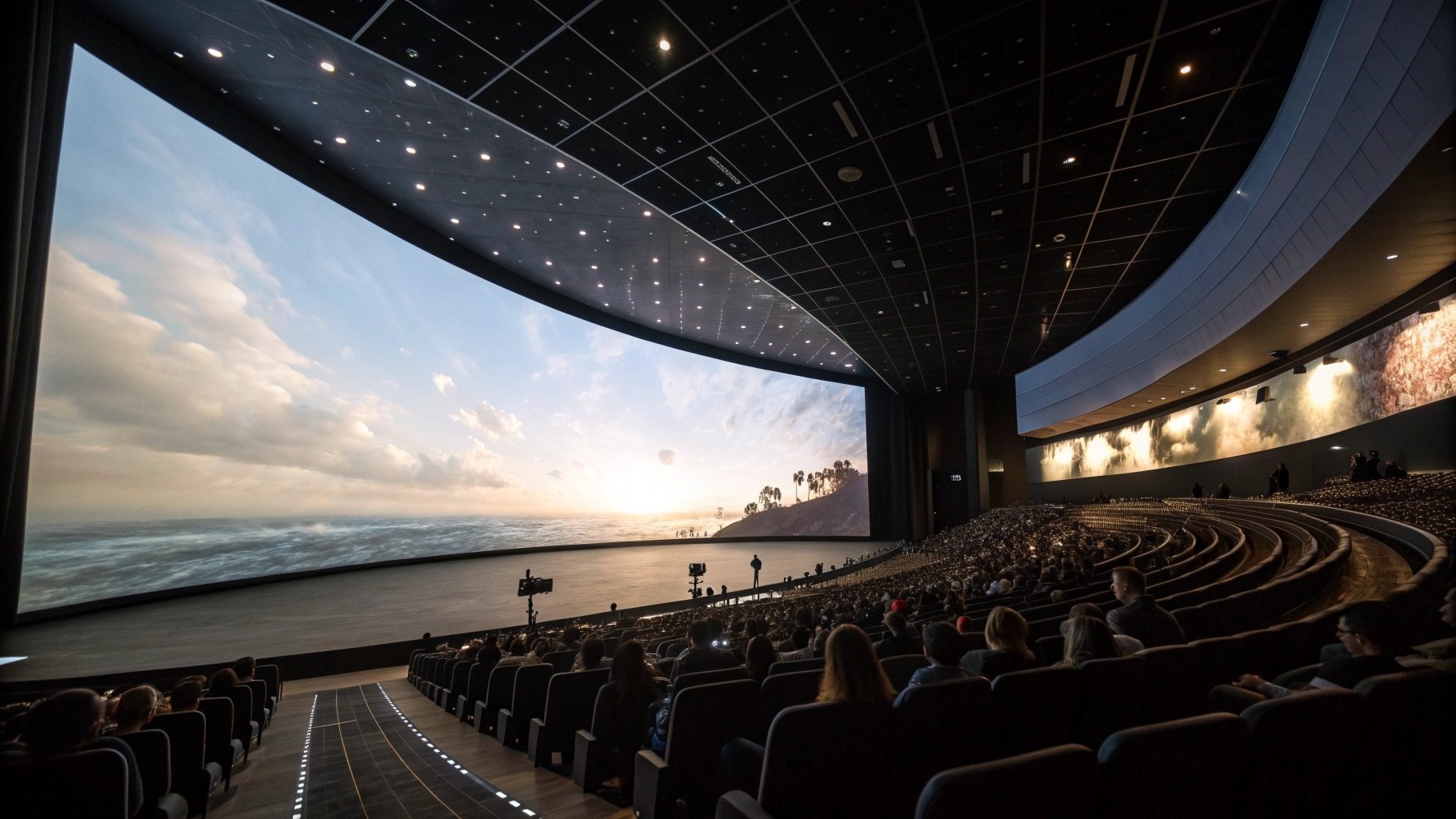
Architecture matters. Theatres must have designs not just for capacity, but for experience. Big LED screens paired with immersive sound systems belong in the flagship houses—where the spectacle of a Hollywood release can truly shine. These spaces should feel grand, cinematic, and unforgettable.
But not every story needs a stadium. Smaller auditoriums, thoughtfully designed, can deliver intimacy without sacrificing impact. Cozy seating, warm acoustics, and scaled LED displays can make a boutique theatre feel just as impressive—without overwhelming the senses.
Theatres should be modular, flexible, and emotionally resonant. The design should whisper: this is a place where stories matter.
Filling the Gaps: Redefining the Screen
With fewer high-quality films available, theatres must look beyond traditional cinema to fill their screens. This expands, not compromises.
Live concerts, esports tournaments, classic film retrospectives, community forums, and even educational programming can transform a theatre into a cultural hub. These events foster loyalty, strengthen engagement, and highlight that cinemas are gathering places, not just venues for watching films.
A New Kind of Leadership
This moment calls for a different kind of leadership. Not reactive, but reflective. Not driven by volume, but by vision. Theatre owners must become curators, strategists, and community builders. They must ask harder questions, take smarter risks, and embrace tools that help them see beyond the obvious.
It is about creating trends, not following them. It is about trusting instinct, backed by insight.
The Guy in the Room
You might ask—why am I talking about all this?
I am not a studio executive. I am not a distributor. I am not a film critic or a marketing strategist. I'm just an old projectionist and technician. But I come from a special place.
I spent decades in the shadows of the cinema business—not in the spotlight, but just offstage, where the real conversations happened. I was the guy in the room when the bookers were venting about the week's slate. I was there when theatre managers debated what would draw a crowd, and when executives wrestled with the future of the industry.
I was not the one making the decisions. I was the one listening.

From the booth to the boardroom, I watched the business evolve. I saw the transition from film to digital, from analog sound to immersive audio, from single screens to megaplexes. I helped build the systems that made it all work—but I also absorbed the culture, the frustrations, the hopes.
I was the guy no one noticed. But I noticed everything.
And now, as the industry faces another turning point, I feel compelled to speak—not because I have all the answers, but because I have spent a lifetime asking the right questions. I have seen what works, what fails, and what is forgotten. And I believe that if we listen more closely—to our audiences, to our communities, to each other—we can build something better.
Cinema deserves that. And so do the people who keep it alive.